


Hidden Venice is Part Three of the Hidden Italy with Aventures D’Or Series
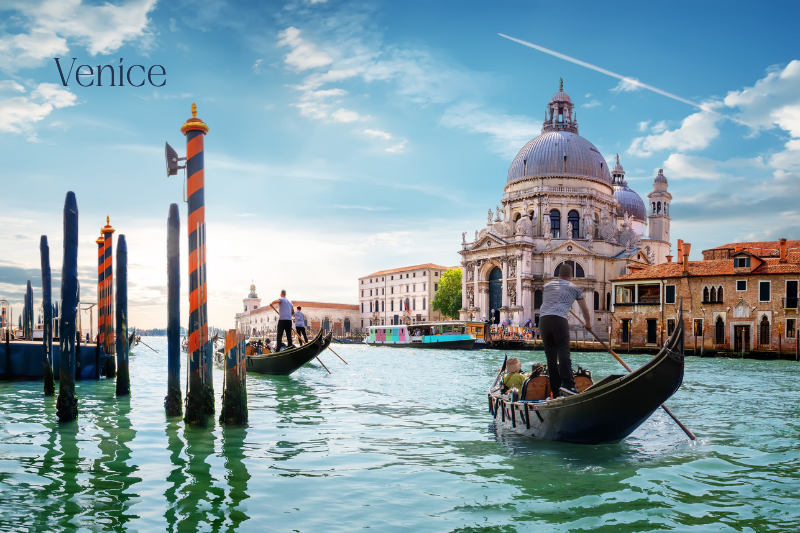
Venice is unlike any city on earth. Canals replace the streets. Light shifts hourly over the water. And yet most visitors see only a narrow corridor between St. Mark’s Square and the Rialto Bridge, missing nearly everything else. Hidden Venice is everywhere here. It simply requires the willingness to walk in the other direction.
Streets in Venice dead-end at canals. Bridges lead to bridges. Signage points toward San Marco and the Rialto, and nowhere else. Most visitors follow those signs and see exactly what everyone else sees. At Aventures D’Or, we think the more interesting question is what lies beyond them.
Venice does not reveal itself through a guidebook itinerary. It reveals itself in the gaps. A campo with no tourists. A bacaro with no menu in English. A canal so narrow that the buildings on either side nearly touch. What follows is where to find those gaps.
Castello: Hidden Venice’s Most Overlooked Sestiere
Venice has six districts, known as sestieri. Most visitors stay anchored in San Marco. However, the sestiere of Castello stretches east from San Marco all the way to the lagoon’s edge, and it is a different world entirely. It is also, by a considerable margin, the largest sestiere in the city.
In central and eastern Castello, the tourists fade almost completely. Children kick soccer balls in empty campi. Grandmothers lean from balconies. In other words, this is Venice as Venetians actually live it. Simply walk east from the Bridge of Sighs for fifteen minutes, and you will find it. The transformation is immediate and striking.
Via Garibaldi is Castello’s main street and one of the few genuinely wide streets in Venice. In fact, it feels almost like a mainland town. Local grocery shops, neighbourhood bars, and a floating produce boat moored along the canal make for a hidden Venice moment that surprises even experienced travelers. The street has a rhythm of its own, unhurried and entirely local.
At the far eastern tip of Castello, the Biennale Gardens sit. Outside of Biennale season, the park stays open, green, and peaceful. Moreover, it is one of the few places in Venice where you can simply sit under a tree. The views across the lagoon from here are extraordinary and almost entirely crowd-free. On a clear afternoon, the islands of the lagoon seem to float on the horizon.
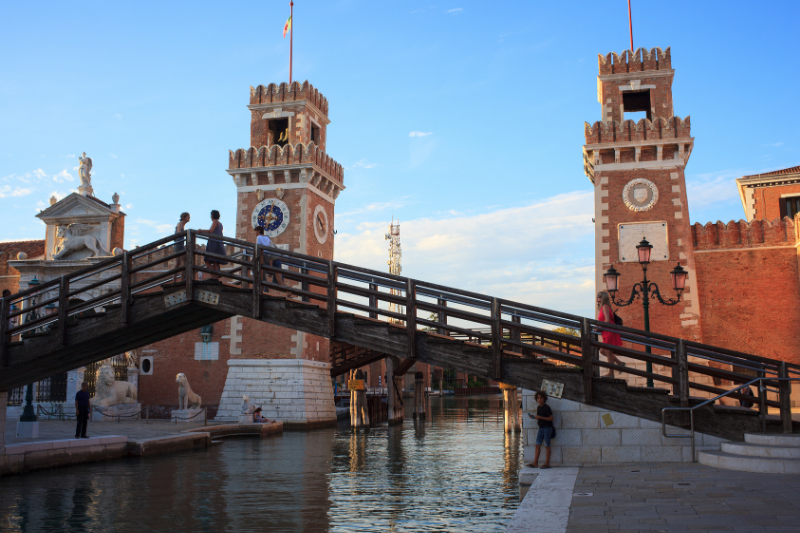
Castello also contains the Church of San Francesco della Vigna, one of the finest Palladio facades in Venice. It stands in a quiet campo that sees almost no visitors. Additionally, the Arsenale borders Castello’s eastern edge. Once the most powerful shipyard in the world, its towering gateway is worth seeking out, even when the complex itself is not open.
Cannaregio: Where Hidden Venice Lives Quietly
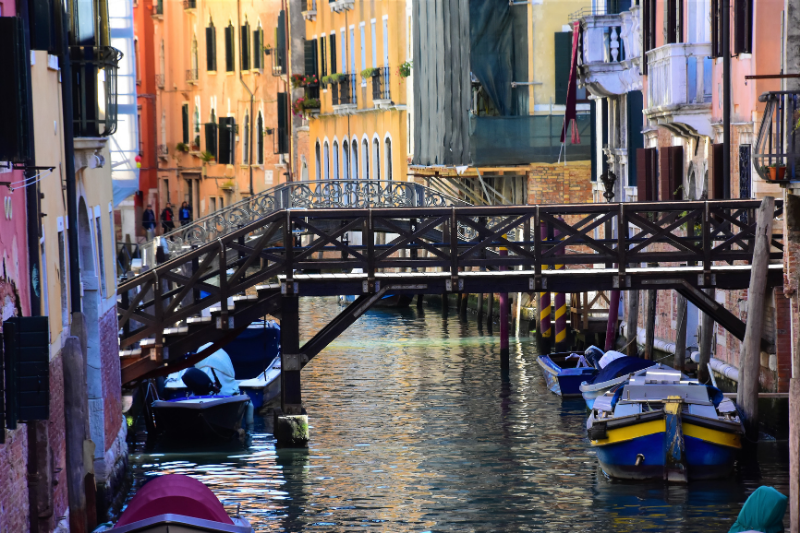
Cannaregio is one of Venice’s most populated sestiere. It stretches north and west from the train station, and beyond the chaos of Santa Lucia, it becomes something genuinely worth seeking out. This is where hidden Venice feels most intact, most lived-in, and most generous to those who take the time to explore it properly.
Fondamenta della Misericordia is the street to find. Bacari line this canal-side walkway, the small Venetian wine bars that form the backbone of local social life. In the evenings, locals stand outside with a glass of wine and a plate of cicchetti. Furthermore, the prices here bear no resemblance to the tourist zone near the Rialto.
Also in Cannaregio is the Jewish Ghetto, established in 1516 and the world’s first. The word ghetto itself originates in this neighborhood. Several synagogues still operate here, and the community museum tells a history of remarkable resilience. Moreover, the ghetto remains a living neighborhood, not simply a historic site. Indeed, a guided tour ranks among the most affecting experiences the city offers. Allow at least two hours, and consider booking a tour with the museum directly, as guides here are exceptional.
Nearby, the Church of Santa Maria dei Miracoli is genuinely worth the short detour. Venetians have long called it the little jewel box of the city, and the description fits. Built in the 1480s and encased in polychrome marble, it is consistently quiet. There is rarely a line at the door. The interior is small and intimate, with a raised choir that gives the space an almost theatrical quality.
Cannaregio is also home to some of the longest uninterrupted fondamenta walks in the city. Following the Fondamenta della Cannaregio north from the station takes you past neighbourhood vegetable shops, local bakeries, and small bars. The morning coffee crowd spills onto the pavement. It is, in short, a walk that shows you a version of Venice most visitors never see.
The Art of the Cicchetti Crawl
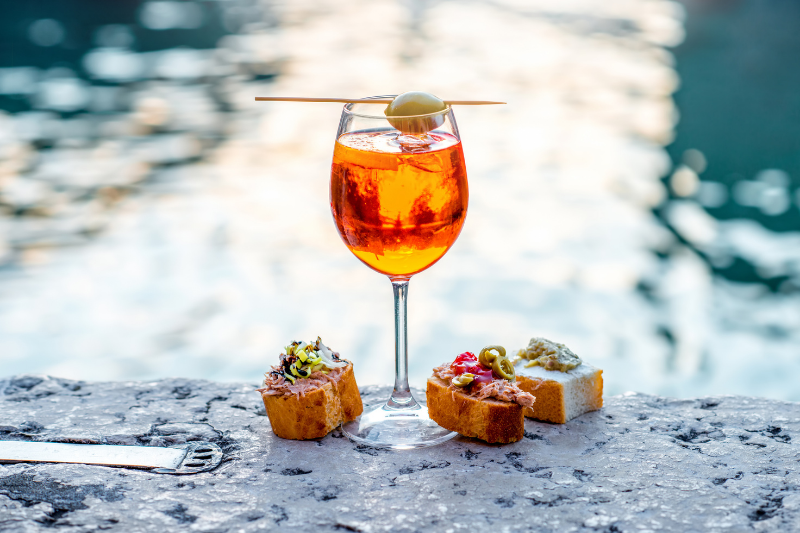
To eat well in Venice, you need a good route through the bacari. A cicchetti crawl moves you from one wine bar to the next with a small glass and a few bites at each stop. It is, in fact, the most Venetian way to spend an afternoon, and one of the most enjoyable eating experiences in all of Italy.
Cicchetti are small, usually eaten standing, and made with whatever is freshest that day. They range from simple bread topped with salt cod to more elaborate preparations involving crab, artichoke, or razor clams. The best bacari change their offerings daily. As a result, no two visits are quite the same.
In San Polo, just behind the Rialto Bridge, All’Arco is a small bacaro that has been feeding locals for generations. It appeared on Stanley Tucci’s Searching for Italy, and the queue has grown since. Nevertheless, it remains excellent. Crostini here come topped with everything from creamed baccalà to gorgonzola with anchovy. Order two or three and stand at the counter the way Venetians do. Arriving before noon is advisable, as the best pieces go quickly.
Also in San Polo, Cantina Do Mori on Calle Do Mori claims to be the oldest bacaro in Venice, with origins dating to 1462. Copper pots hang from the ceiling, and Casanova was reportedly a regular. Indeed, the atmosphere has changed little in centuries. Order a small glass of the house white and whatever cicchetti are fresh. The meatballs, in particular, are exceptional, and the francobolli, small tramezzini sandwiches, are worth trying if you see them.
Over in Dorsoduro, Cantina Schiavi on Fondamenta Nani is another essential stop. It sits along a canal directly across from a working gondola repair yard, which makes for one of the more memorable settings in the city. Their most celebrated creation is the tuna crostino with a touch of cocoa powder. Without doubt, it lives up to its reputation. Similarly, their selection of ombre, small glasses of local wine, is among the most thoughtfully curated in the city.
Two Hidden Venice Museums Worth Seeking Out
Venice’s famous museums need no introduction. Both the Doge’s Palace and the Correr Museum draw large crowds, and they deserve their reputations. However, two smaller institutions offer hidden Venice experiences that most visitors simply never find. Both reward the effort of seeking them out.
Ca’ Pesaro International Gallery of Modern Art occupies a Baroque marble palace on the Grand Canal. Its permanent collection includes works by Kandinsky, Klimt, and Morandi, alongside a rich gathering of 19th and 20th-century Italian artists. On the floor above, the Oriental Art Museum holds one of Italy’s most remarkable collections of Chinese and Japanese art. Lacquerwork, armour, and textiles of extraordinary quality fill the rooms. Both museums are consistently and inexplicably uncrowded. Allow two to three hours to do both justice.
Equally rewarding is the Scala Contarini del Bovolo, one of Venice’s strangest and most beautiful hidden discoveries. Tucked down a narrow passage near Campo Manin in San Marco, this 15th-century palace features an extraordinary external spiral staircase winding through a Gothic loggia. Most people walk past the entrance without noticing it. Those who turn in find something genuinely astonishing. The staircase climbs five stories and offers rooftop views that are unlike anything else in the city. Moreover, it is rarely busy, even at the height of summer.
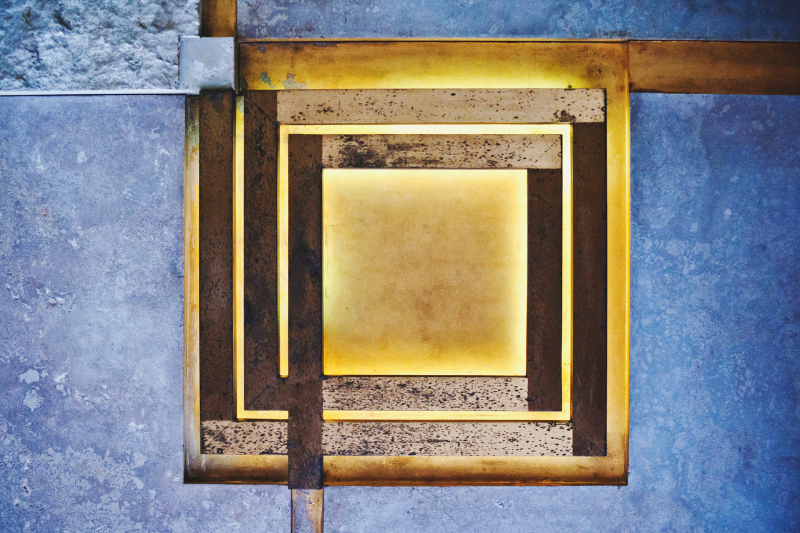
A third option worth noting is the Querini Stampalia Foundation, a private museum and library housed in a 16th-century palace near Campo Santa Maria Formosa. Carlo Scarpa redesigned the ground floor, and the result is one of the most quietly beautiful spaces in Venice. Upstairs, the collection covers Venetian painting and decorative arts and is equally rewarding. Similarly, the cafe on the ground floor is excellent and very little known.
Murano, Burano, and Beyond
Every visitor knows Murano for its glass and Burano for its coloured houses. Both are certainly worth the journey. However, the Venetian lagoon holds two more islands that reward the effort of seeking them out in ways that Murano and Burano simply cannot.
Torcello is a forty-five-minute vaporetto ride and a genuine step back in time. It was the first settlement in the Venetian lagoon, predating Venice itself by centuries. Today, only a handful of people live there, and as a result, the silence is almost complete. Originally founded in the 7th-century Cathedral of Santa Maria Assunta are Byzantine mosaics of extraordinary quality, considered among the finest in Europe. Notably, Hemingway stayed on Torcello and wrote here. Consequently, the island carries a literary stillness, and the contrast with the noise of central Venice is remarkable.
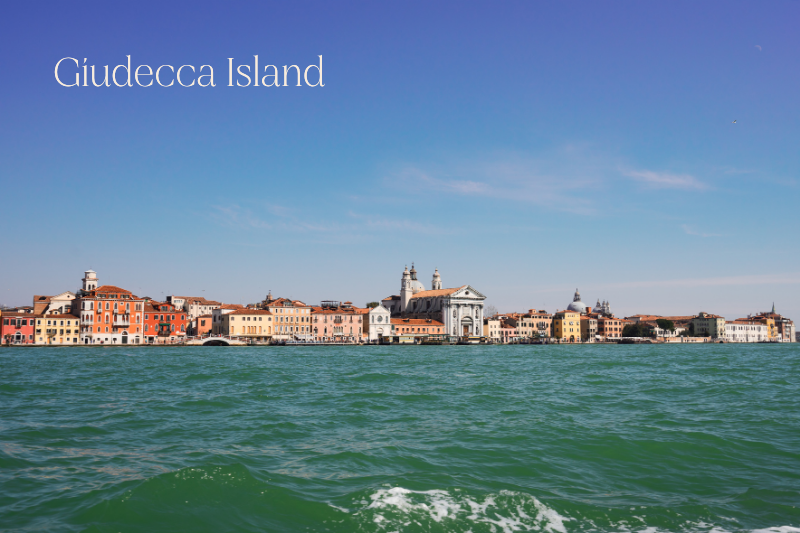
Giudecca sits just across the Giudecca Canal from Dorsoduro, reachable in minutes by vaporetto, yet it remains largely residential and genuinely local. Palladio designed the Church of the Redentore, the island’s most celebrated building, and it is one of his finest works in Venice. Walk the long fondamenta on the southern shore, and you will find small bars and trattorias where the clientele speaks Venetian. The views back across the canal to the Zattere are among the most serene in the city. Each July, the Festa del Redentore fills the canal with boats and fireworks. It is, without question, one of the great celebrations this city offers.
Sant’Erasmo is a third island worth considering for those who want to go further still. Known as the garden of Venice, it supplies the city’s markets with vegetables and is home to just a few hundred residents. Cycling is possible here, which is a genuine novelty after days of walking narrow calli. Furthermore, locals regard the artichokes grown on Sant’Erasmo as the finest in the lagoon.
If You Visit the Popular Attractions: Do It Right
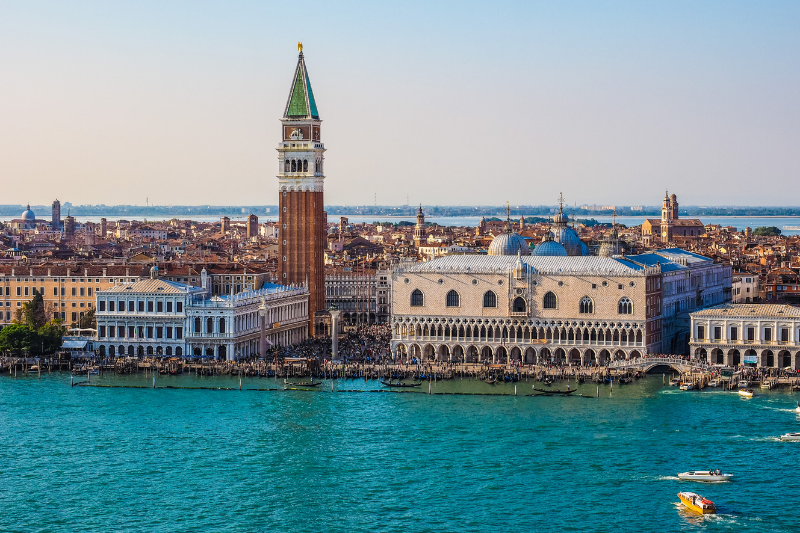
Venice’s iconic sites earned their reputations over centuries, and they absolutely belong on your itinerary. The difference between a visit that exhausts you and one that genuinely moves you comes down to access, timing, and knowing what to look for. This is precisely where Aventures D’Or makes all the difference.
- St. Mark’s Basilica: The mosaics covering every surface of this extraordinary church date back nearly a thousand years. Early entry, before the crowds arrive, is the only way to experience them properly. Add the Pala d’Oro, the golden altarpiece behind the high altar, which most visitors walk past entirely.
- The Doge’s Palace: One of the great political buildings in the world, and far more layered than most visitors realize. The Secret Itineraries tour takes you through the private chambers, Council rooms, and the attic prison where Casanova was once held. It runs in small groups and requires advance booking.
- The Rialto Market: Not a tourist attraction so much as a living institution. The fish market beneath the bridge has operated continuously for centuries. Go early, before 9 am, when the vendors are at their best, and the produce is freshest.
- A private gondola: The gondola becomes something entirely different when it is arranged properly. The smaller canals of Cannaregio and Castello, navigated in the early morning with a knowledgeable gondolier, bear no resemblance to the midday tourist routes near the Rialto.
Aventures D’Or secures the access, timing, and expert guidance that turn these visits into genuine highlights. Our clients do not spend their morning in a queue. They spend it inside, where it matters.
A Few Practical Notes for Venice
Venice is a walking city, and the distances are deceptive. What looks short on a map often involves bridges, detours, and dead ends at canals. Build extra time into every journey, particularly if you have a ferry to catch or a reservation to keep. Comfortable shoes are not optional here. The paving stones are uneven, the bridges are steep, and the city will test your footwear within the first hour.
Water is everywhere, but drinking water from the tap is perfectly safe throughout Venice. The white stone fountains you will find in many campi dispense fresh drinking water. Use them. Buying bottled water at tourist prices near St. Mark’s Square is unnecessary.
Finally, learn the vaporetto system before you arrive. The water buses are the city’s main transport, and understanding which lines serve which parts of the lagoon will save you considerable time and frustration. Line 1 runs the length of the Grand Canal and is the most scenic route in the city. It is also the slowest. When you have somewhere to be, Line 2 is faster.
Let Aventures D’Or Show You the Real Venice
What you have just read is only a starting point. The Venice that stays with you long after a journey is rarely the one you originally planned. It is the bacaro you stumbled into on a quiet calle, the island ferry you almost did not take, the view from a bridge at dusk with no one else around.
At Aventures D’Or, we specialize in building Venice itineraries that go far beyond the standard visit. We know which properties put you in the right part of the city. We know which guides bring these palaces and canals genuinely to life. And we know how to pace a Venice trip so that it feels like an immersion rather than a checklist.
You deserve a Venice that surprises you. We would love to help you find it. Ready to start planning? Connect with Aventures D’Or today.
This is the third post in the Hidden Italy with Aventures D’Or series. Read our guides to hidden Rome and hidden Florence, and look out for Hidden Siena coming soon.
About the Author
Sharina Muñoz

Sharina Muñoz is the founder of Aventures D’Or. Born in the Dominican Republic and fluent in both Spanish and English, she has traveled widely and with great intention throughout her life.
Where she once sought out iconic landmarks and carefree escapes, she now travels to immerse herself fully in new cultures, to learn, and to be genuinely challenged. Discovering how people live and love in places far from home does not simply broaden your perspective. It reshapes it entirely.
From tiny towns in Spain to the buzzing streets of Toronto, every journey has taught her something new about the world and about herself. Along the way, she has met extraordinary people, explored fascinating places, and discovered she is capable of far more than she once imagined.
At Aventures D’Or, Sharina brings all of that experience to her clients. As an accountant by trade, she has a sharp eye for detail and treats every vacation investment with the same care she would her own. Her goal is to immerse you fully in your destination, combining genuine luxury with experiences that take you well beyond the tourist path.
If you are ready to go deeper on your next vacation, get in touch. Sharina would love to help you plan an adventure that is truly your own. Please email or complete a trip inquiry form today.


